
As Netflix’s Alice in Borderland moves deeper into its next chapter, the central question is no longer whether the deadly games will return, but whether the third season can be considered canon. The first two seasons adapted Haro Aso’s manga with a blend of brutal survival challenges and psychological pressure, and the second season reached the end of the original story. That leaves season 3 in an unusual position: it must continue a franchise whose source material has already been exhausted. In 2026, with audiences still dissecting every teaser and casting update, the debate over canon has become as intense as the games themselves.

A Sequel Without a Full Blueprint
Netflix’s Alice in Borderland earned a large international audience by turning high-stakes survival games into a study of fear, loyalty, and existential choice. The manga concluded with the events adapted in season 2, so season 3 cannot simply follow the next published arc. Instead, it must forge new ground. That does not automatically make the season non-canon, but it does mean the show is entering territory where the rules of continuity are less settled.
The biggest clue about the new direction is Alice in Borderland: Retry, a short sequel manga that revisits protagonist Arisu after his return to the real world. Retry does not reintroduce the deadly games in the same format, but it does explore lingering trauma and the difficulty of ordinary life. If the Netflix series draws from that material, it could use Retry as an emotional bridge rather than a strict plot outline. The result would be an original story rooted in the manga’s psychological themes.

Haro Aso’s Involvement: A Seal of Authenticity?
One reason fans remain cautiously optimistic is that original manga creator Haro Aso is involved. His exact role has not been fully defined, but his participation suggests the new storyline will not entirely betray the spirit of Alice in Borderland. His guidance could help maintain thematic consistency, especially if season 3 introduces new characters, conflicts, and challenges.
Yet author involvement is not a guarantee of canon status. Many television and anime adaptations have moved beyond their source material with mixed results, even when creators have offered input. Aso’s presence may help preserve tone and character arcs, but whether the new season matches his original vision remains an open question. Season 3 could therefore function as an expansion rather than a direct continuation, making it an interesting but potentially divisive addition to the franchise.
Retry Offers a Psychological Bridge
If season 3 takes inspiration from Retry, it may explore how Borderland’s survivors cope with reality. Themes such as existential dread, PTSD, and reintegration into normal society would fit the series’ established psychological depth. However, Alice in Borderland is still defined by its thrilling survival games. A shift toward a more introspective storyline could be risky if it leaves behind the tension that made the show a global hit.
The likely solution is a hybrid approach. Netflix may blend Retry’s psychological exploration with new games designed to keep the stakes high. That strategy could preserve the franchise’s signature pressure while allowing the story to mature alongside its characters.

Continuation or Bold Reimagining?
Since season 2 ended with the manga finale, season 3 has to justify its existence without feeling like an unnecessary extension. If it merely capitalizes on the show’s success rather than enriching its world, it risks feeling like a non-canon spin-off. For the season to feel like a true part of the Alice in Borderland saga, it needs to honor the series’ established rules and character arcs. New games or explanations for Borderland’s existence must align with the world-building already in place. Deviating too far could alienate fans and weaken the emotional weight of previous seasons.
| Canon Signal | Why It Matters |
|---|---|
| 🖋️ Haro Aso’s involvement | Suggests thematic authenticity, though not strict canon status |
| 📚 Retry inspiration | Offers a psychological bridge but not a full game-based blueprint |
| 🎮 New games | Can preserve tension if they respect established rules |
| 🧠 Trauma and reintegration | Deepens character arcs but may soften survival thrills |
| 📺 Original storyline | Expands the universe but carries continuity risk |
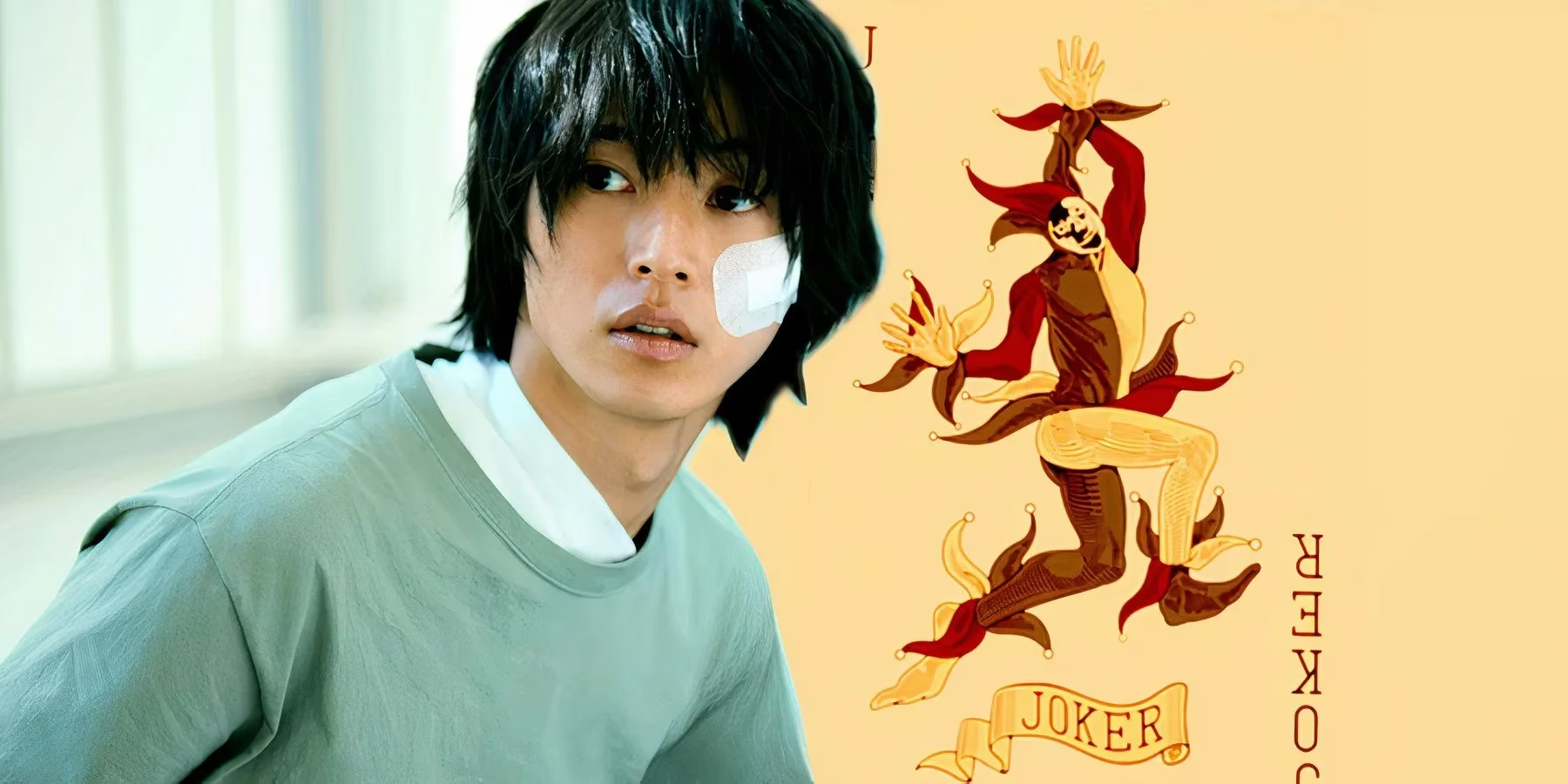
The Canon Question Remains Complicated
The answer to whether Alice in Borderland season 3 is canon is not straightforward. Because the original story concluded, the new season will be an extension rather than a direct adaptation. With Haro Aso involved and potential inspiration from Retry, it could maintain a sense of authenticity. However, because it ventures into uncharted territory, it may not carry the same weight as previous seasons in terms of strict continuity.
Ultimately, season 3’s success will depend on how well it balances new content with faithfulness to the original series and manga. If handled well, it could expand Alice in Borderland’s world in an exciting way. If it strays too far, it might feel like an alternate take rather than a true continuation. Either way, fans will be watching closely in 2026 to see whether this next chapter truly belongs in the Borderland universe. ⚠️
Comments