
I’ve been a survival-game junkie for years, but few shows make my pulse hammer like Alice in Borderland. As we move through 2026, the countdown to season 3 feels like a game itself—every trailer frame is a clue, every silence a trap. The latest footage teases a fiery new challenge, and my instincts are buzzing: this looks like Three of Clubs, also known as Good Fortune, Bad Fortune. In the manga, this was the first game Arisu and his friends faced, and if the adaptation stays true to the source, we’re about to get a masterclass in teamwork, luck, and quiet panic.

Let me tell you, Three of Clubs is a sneaky beast. It wears the mask of a simple trivia game—paper fortunes, questions, a few flames—and then it bites. The game is a Clubs-type challenge, which means brute force and betrayal won’t save you. Cooperation is the whole point. Each player draws a paper fortune that determines the difficulty of their question. The leader’s fortune—chosen by Karube in the manga—doesn’t contain a question at all. Instead, it offers a cryptic hint: ‘South is safe.’ Everyone else gets math or general-knowledge questions. A wrong answer summons flaming arrows, and the numerical gap between your answer and the correct one decides how many arrows you have to dodge. Sounds fair? Not even close.
At first, the game pretends to be a lottery. You draw, you answer, you pray. But Arisu notices the paper fortunes are gossiping. Phrases like ‘West is evil’ or ‘North is evil’ aren’t flavor text—they’re directions. The arrows come from those directions. Piece the clues together, and a safe route emerges. The players eventually realize that south is the shelter, a hidden bunker where the flames can’t reach them. That shift—from panic to pattern recognition—is the heart of the game. It’s not about being lucky. It’s about listening to what the game is whispering.
How Good Fortune, Bad Fortune Actually Works
| Element | What It Does | Why It Matters |
|---|---|---|
| Paper fortunes | Assign questions or cryptic hints | Hide the real puzzle in plain sight |
| Wrong answers | Trigger flaming arrows | Turn mistakes into physical danger |
| Numerical gap | Decides arrow count | Punishes guesswork, rewards precision |
| Directional clues | ‘West is evil,’ ‘North is evil’ | Reveal where arrows originate |
| Leader’s hint | ‘South is safe’ | Points to the hidden bunker |
I love this design because it’s cruel but fair. The game doesn’t cheat; it just refuses to explain itself. The paper fortunes feel like smug little riddles, and the arrows are impatient wasps. You have to think while your hands shake. That’s the kind of tension Alice in Borderland does best.
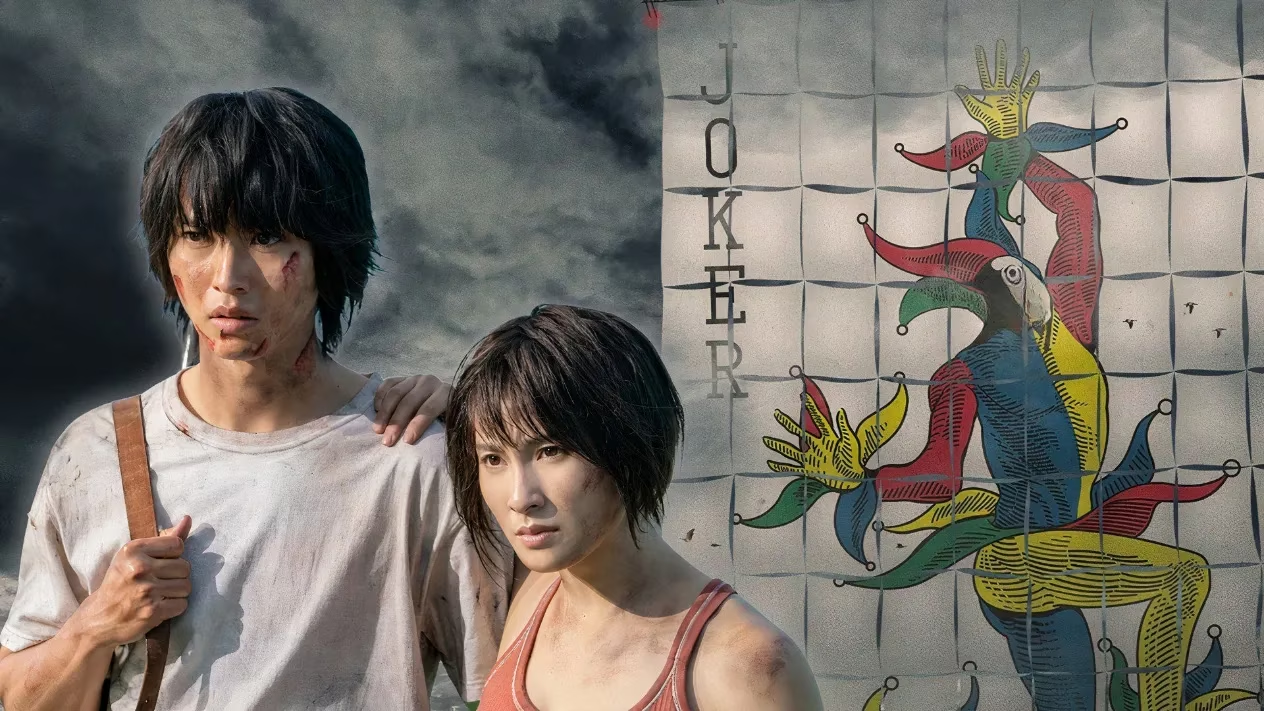
Why Three of Clubs Fits Season 3 Perfectly
Season 3 promises to push Arisu further, and Three of Clubs is the ideal pressure cooker. It tests his leadership—not by making him shout orders, but by forcing him to connect dots while everyone else spirals. Clubs games are the great equalizer in Alice in Borderland. Hearts games break your emotions. Diamonds games break your brain. Clubs games break your ego by demanding that you trust other people. Honestly, that’s terrifying.
Here’s why I think it belongs in season 3:
-
🔥 It blends physical danger with intellectual problem-solving.
-
🃏 It introduces the logic-based mechanics of Clubs games to new viewers.
-
🧠 It highlights Arisu’s pattern recognition and quiet leadership.
-
🤝 It forces teamwork in a world that rewards selfishness.
-
💥 It can stand alone as a suspenseful set piece while feeding the season’s larger mystery.
The trailer’s fiery imagery already hints at this game’s on-screen debut. If the show leans into the manga’s clues, we’ll get one of the most suspenseful sequences in the series. No joke—I’ll be watching with a notebook.

So, as 2026 unfolds, I’m keeping my eyes on the paper fortunes. Three of Clubs isn’t just a game; it’s a promise that Alice in Borderland still knows how to make luck feel like a lie and teamwork feel like a lifeline. And that’s exactly why I’ll be back for season 3—ready to dodge, deduce, and maybe yell at my screen a little.
As reported by OpenCritic, broader critical discussion around tension-driven game design often emphasizes how the best survival experiences merge readable rules with escalating consequences, which is exactly why a challenge like Three of Clubs feels so effective: it turns observation, group coordination, and split-second deduction into the real win condition rather than simple reflexes.
Comments