
I have always believed that a little madness makes a video game unforgettable. In 2026, after another year of polished but predictable blockbusters, I keep returning to the characters who scare me, amuse me, and make me ask why I enjoy digital chaos so much. What is it about a character who can snap at any moment that holds my attention? Maybe it is the subversion. Maybe it is the tension. Maybe I simply love watching a beautifully written lunatic tear a fictional world apart. These characters are not just violent set pieces; they are pressure cookers with personalities, and once they boil over, I cannot look away.
Spoiler warning: I will be discussing story details and character arcs below. If you have not played these games, tread carefully.
Why Unhinged Characters Work So Well for Me
I am drawn to subversion. A character who looks calm but can turn into a mass-murdering sociopath at the flick of a switch creates a kind of tension that no scripted jump scare can match. Unhinged characters are unpredictable. They break the rules of the world they inhabit, and they force me to pay attention because I never know what they will do next. Whether they are pure evil or just deeply misunderstood, their instability makes every scene feel dangerous.
Here is a quick look at the characters I keep thinking about:
| Character | Game | Brand of chaos |
|---|---|---|
| Postal Dude | Postal | Deadpan sociopathy |
| Junko Enoshima | Danganronpa | Despair as a drug |
| Kefka Palazzo | Final Fantasy VI | Gleeful nihilism |
| Baldur | God of War (2018) | Sensory insanity |
| Orin the Red | Baldur's Gate 3 | Murderous devotion |
| Vaas Montenegro | Far Cry 3 | Philosophical instability |
| Trevor Phillips | GTA 5 | Loyal psychopathy |
| Goro Majima | Yakuza | Theatrical mayhem |
| Jinx | League of Legends / Arcane | Anarchic trauma |
| Tiny Tina | Borderlands | Explosive ADHD energy |
Postal Dude: The Deadpan Sociopath

I have never been able to decide whether Postal Dude is terrifying or hilarious. Very little is known about him, including his real name, and the Postal series is infamous for crude humor drenched in crazed, blood-soaked violence. He may seem like a chill guy at first, but he can turn into a mass-murdering sociopath at the flick of a switch, shooting and slashing any innocent bystander unlucky enough to be nearby. What unsettles me most is how little conscience he has. He often cracks jokes or makes sardonic remarks while drenched in gore, turning the real-life concept of going postal into a paranoid fever dream where he thinks his killing spree is self-defense. I do not play Postal for comfort. I play it to stare into a deliberately offensive mirror and ask what that says about me.
Junko Enoshima: Despair as a Drug

Danganronpa is known for its crazy murder mystery premise, wacky character designs, and its mascot Monokuma. But the true identity behind the bear is Junko Enoshima, and she is one of the most disturbing villains I have encountered. She looks like a typical gyaru high schooler, yet she is an evil, sadomasochistic young woman hellbent on inflicting as much despair as possible on others and herself. Even the series creator, Kazutaka Kodaka, intended for her to be fully unsympathetic. Junko is evil for evil's sake. She is obsessed with despair and is not above committing the most heinous crimes just to feel something. Can I sympathize with her? No. Can I look away? Absolutely not.
Kefka Palazzo: The Jester Who Became a God
Kefka is one of Final Fantasy's most iconic villains: the nihilistic court jester from Final Fantasy VI who transforms into a god I have to fight. I recognize his iconic laugh and colorful jester outfit immediately, but what stays with me is his gleeful nihilism as he attempts to become the God of Magic and destroy all life and meaning in the universe. With the help of his cult, Kefka is sadistically cruel and maniacal, possessing a deep hatred of everything good in the world. Is there anything scarier than a villain who finds destruction funny? He is the epitome of pure evil, impossible to sympathize with, and that is exactly why he works.
Baldur: Invulnerability as a Prison
Baldur is the main antagonist of God of War (2018), and he hunts Kratos and Atreus as they journey to scatter Faye's ashes. Like all Aesir, Baldur is blessed with inhuman strength and regeneration, physical or magical. But he has a sadistic, insane streak that makes him far more dangerous. The God of Light was once described as a bright and noble son of Odin and Freya. Then Freya learned from the Norns that he would die a needless death, so she put a spell of invulnerability on him, cursing him to an eternity of numbness. What would I do if I could not feel anything, neither pain nor pleasure? Baldur's inability to feel drives him to insanity, and it is not until Kratos and Atreus discover that mistletoe renders him vulnerable that the God of War has a chance to stop him from killing Freya for good.
Orin the Red: Murder as Devotion
In Baldur's Gate 3, my quest to remove the Mindflayer parasite from my brain eventually brings me face to face with the leaders of the Cult of the Absolute. One of them is Orin the Red, Chosen of Bhaal, the Lord of Murder. As her title suggests, she is cruel and sadistic, a master of all things murderous. As a changeling, she has the terrifying ability to shapeshift, and she pesters me through several disguises throughout Act 3. She even abducts one of my party members, or an orphan I take in, to force me to fight her. If I play as the Dark Urge, my story becomes even more tied to Orin, because I later find out that she betrayed me and gave me amnesia. Orin is a deranged devotee of Bhaal who will do whatever it takes to prove herself. Her confident facade shatters when she learns that Bhaal was just using her as a tool, and her boss fight is surprisingly hard if I walk in unprepared.
Vaas Montenegro: The Definition of Insanity

Vaas Montenegro may be the secondary antagonist of Far Cry 3, but he stole the show as one of the most iconic villains in the franchise. As the leader of a group of pirates on Rook Island, Vaas is a dangerously unstable criminal with a dry sense of humor, and he kills anybody who looks at him the wrong way. His pride often drives him into extreme fits of violent rage, especially because Jason Brody's mere presence makes him feel replaceable. Michael Mando's performance of Vaas's Insanity speech is so iconic that I still hear it in my head years later. Have I ever heard a better villain monologue? I do not think so.
Trevor Phillips: Loyalty Through Violence
As one of the three playable protagonists of GTA 5, Trevor Phillips quickly secured his spot as one of gaming's most iconic characters thanks to Steven Ogg's amazing performance. Trevor is a career criminal who smuggles weapons and cooks and sells meth in the middle of nowhere. He is prone to fits of uncontrollably violent rage, often resulting in at least a few people dying or being maimed. Yet what makes him fascinating is that he is also an immensely loyal friend and ally to Franklin and Michael. His psychotic nature makes him unpredictable during heists, but when I need things broken and people hurt, Trevor is my guy. He is emotionally driven and would do anything for his best friends, even when that loyalty brings them into violent conflict.
Goro Majima: The Mad Dog With a Heart
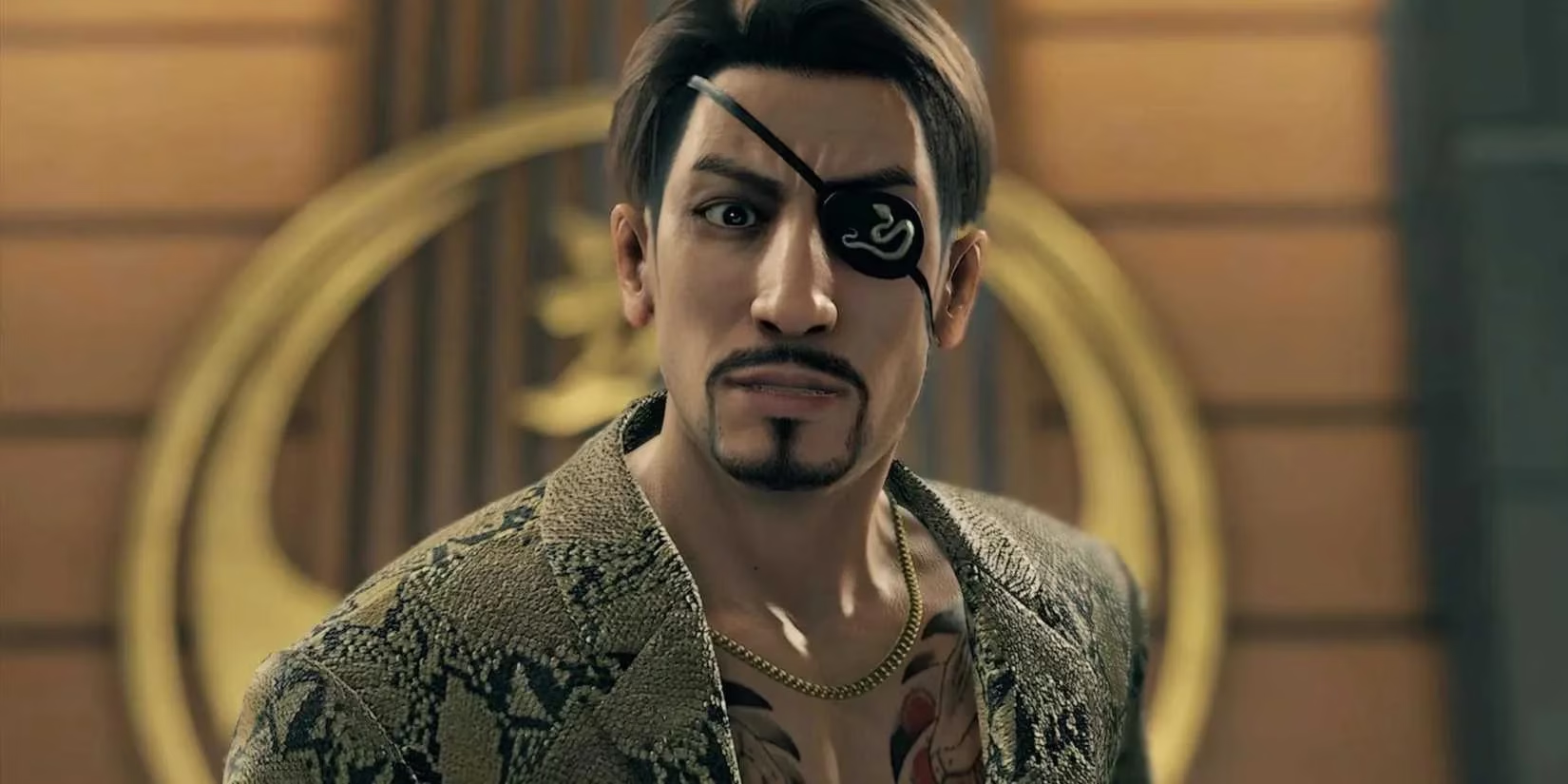
Goro Majima is one of the most beloved major characters in the Yakuza franchise, and he is not called the Mad Dog of Shimano for nothing. First introduced in Yakuza 0 as a well-mannered cabaret owner, Majima emerges from life's worst curveballs as a changed man. He is best known for his unpredictability and penchant for theatrical violence, and he is one of the best, silliest elements that shake up the series' crime drama. But Majima is not just some crazed criminal wielding a baseball bat. He is a selfless and honorable man who has a soft spot for his family, a surprisingly successful business owner, and a charismatic leader whom his underlings look up to. His obsession with killing Kiryu has become more of a running joke than a genuine threat, marking him as one of Kiryu's closest rivals and allies.
Jinx: The Loose Cannon With a Story
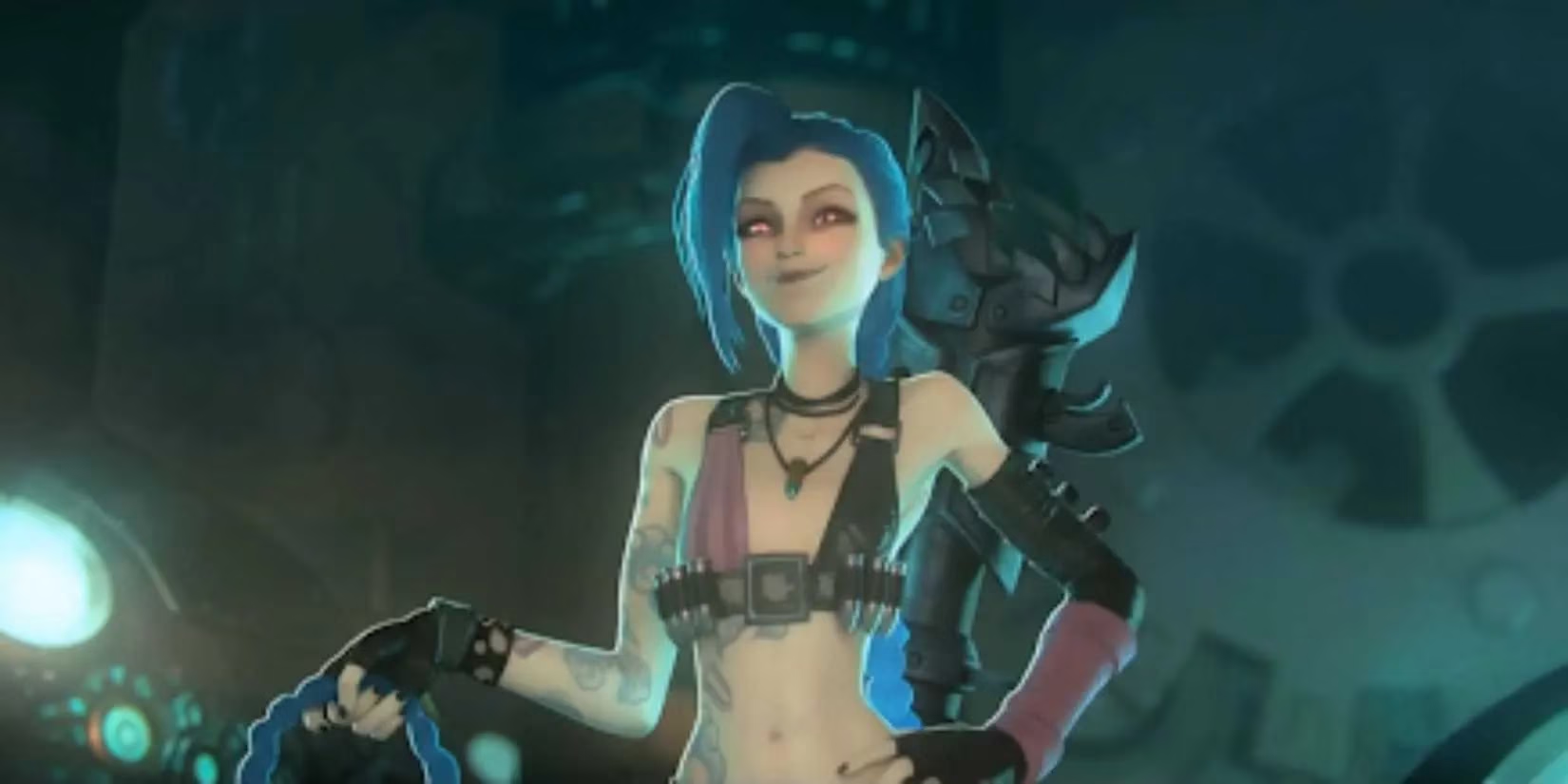
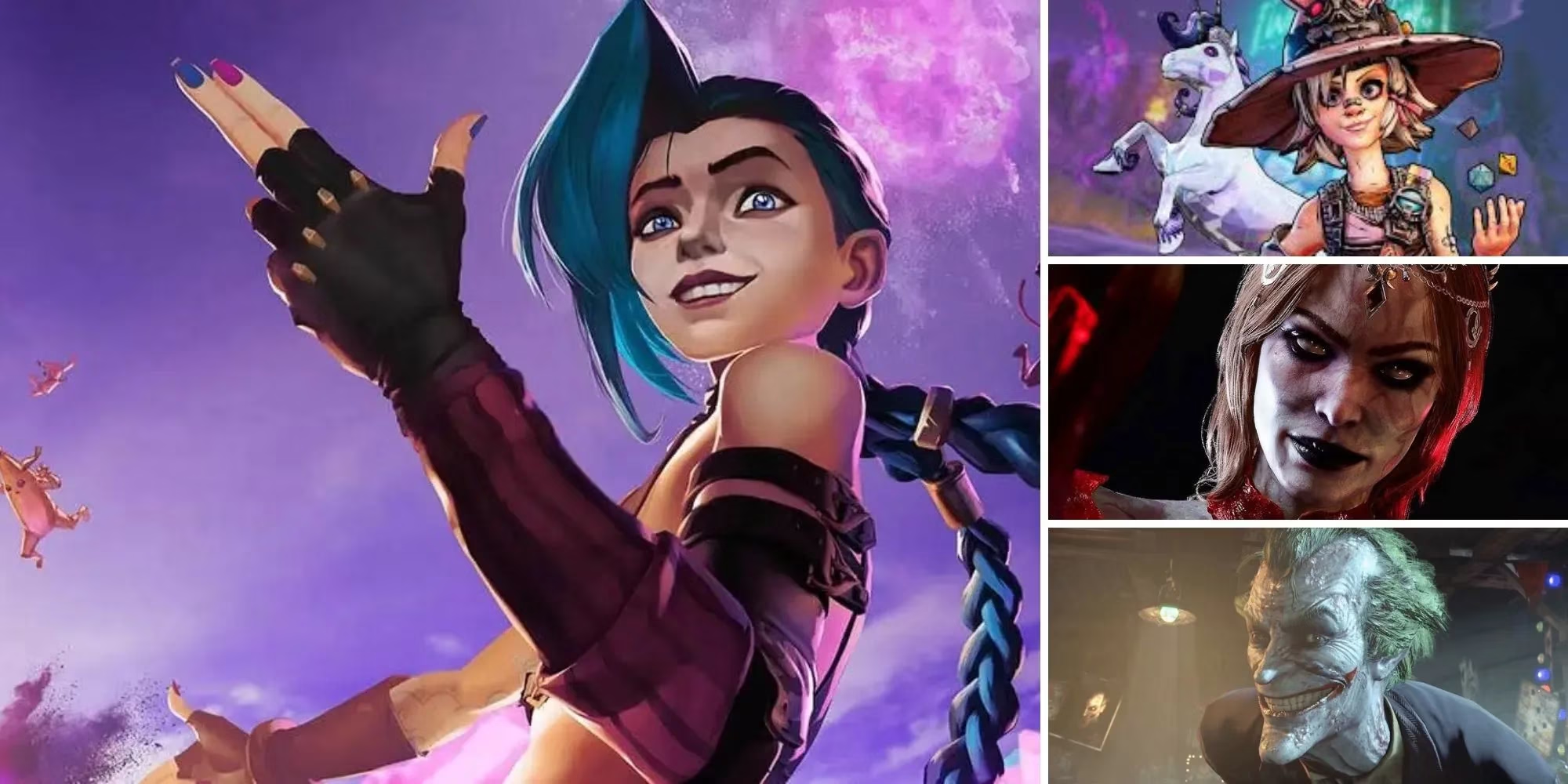
Jinx has come a long way since her debut in League of Legends in 2013. Her appearance has always invoked a manic pixie dream girl vibe, and she later became one of the most iconic mascots of the game. Her popularity skyrocketed when she starred in Studio Fortiche's animated series Arcane, which expanded her backstory and made her sisterhood with Vi canon. Her love for wanton destruction and talking to her guns has evolved into more than just criminal mania. She is a genius tinkerer and expert sharpshooter. Thanks to Arcane's powerful storytelling, Jinx becomes a nuanced representation of mental health and a symbol of violent resistance, beyond the caricature of an insane terrorist. Do I root for her? I am never entirely sure, and that uncertainty is the point.
Tiny Tina: Explosive Energy
One thing about the Borderlands series is that everybody is at least a little insane. You cannot survive Pandora without a touch of insanity, but nobody is as unhinged as the Queen of the Obscene, Tiny Tina. A demolitions expert at the age of thirteen, Tina grew up on the hostile planet of Pandora and was saved and adopted by Roland and his fellow Vault Hunters. Even as a child, she has a few screws loose and loves blowing stuff up, including the occasional bandit. She is chronically impatient and hyperactive, and she will gleefully stuff explosive candy in a bandit's stomach if it means she gets to play with a psycho piñata. Between running a crumpet-fueled tabletop RPG with her friends and launching rabbit-themed rockets, Tina is everybody's favorite crazed girl.
Final Thoughts
In 2026, I still want more characters like these. Not because I crave violence for its own sake, but because unhinged characters expose the limits of a world's rules. They make me laugh, they make me uncomfortable, and they make me ask what I would do if I were trapped in their shoes. A little madness goes a long way, and in video games, it keeps me coming back for more.
Comments